Hammersmith and Fulham council bulky waste rules and fines
Posted on 11/09/2026
Hammersmith and Fulham council bulky waste rules and fines: a practical local guide
If you live in Hammersmith and Fulham, bulky rubbish can be surprisingly easy to get wrong. One forgotten sofa on the pavement, one mattress left out too early, or one pile of builders' offcuts dumped by a front wall can turn into a headache fast. The rules around Hammersmith and Fulham council bulky waste rules and fines are there for a reason, but they are not always obvious when you are rushing, moving house, clearing a flat, or dealing with a messy end-of-tenancy deadline.
This guide explains what counts as bulky waste, how local disposal is usually handled, where people slip up, and how fines can happen. You will also find a simple step-by-step process, a checklist, comparison table, and a realistic example so you can make the right call without guesswork. If you are weighing up council collection against a private clearance option, this will help you choose calmly rather than at 9pm with a hallway full of old furniture. We have all been there, or close enough.
For readers who want broader local context around property moves and household changes, the Hammersmith property sales guide and living in Hammersmith recommendations are useful companion reads.
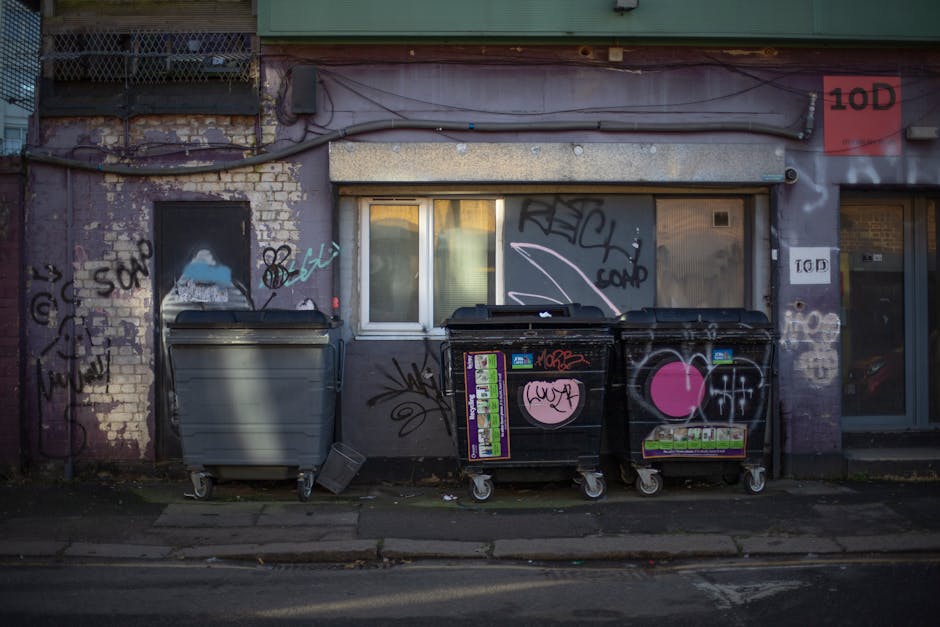
Why Hammersmith and Fulham council bulky waste rules and fines Matters
Bulky waste is one of those things people assume will be simple until it suddenly isn't. A wardrobe is too large for the bin. A broken desk will not fit in a car boot. A mattress is awkward, dusty, and impossible to ignore once it is in the hallway. Then the question becomes: do you book a collection, take it yourself, leave it for normal refuse day, or ask a clearance company to sort it?
That decision matters because local waste rules affect more than just convenience. They affect safety, street appearance, neighbour relations, and whether you might face a penalty for improper disposal. In London, councils and enforcement teams pay close attention to fly-tipping, items left on public land, and waste set out incorrectly. In plain English: if it looks dumped rather than collected, you can run into trouble.
There is also a practical side that people miss. Bulky items left in communal areas can block corridors and entrances, create trip hazards, and cause complaints from neighbours or building managers. In flats around busy streets, these issues escalate quickly. You might have noticed how fast a tidy landing can become a narrow obstacle course once one old sofa appears. Not ideal.
For people living in denser parts of the borough, it is worth thinking beyond the item itself and considering access, timing, and the route it must take out of the building. If you want a sense of how tight access and local streets affect waste removal generally, the article on narrow stair rubbish collection challenges in Hammersmith flats is especially relevant.
How Hammersmith and Fulham council bulky waste rules and fines Works
At a basic level, bulky waste rules are about making sure large household items are removed in a lawful, controlled way. In practice, that usually means checking what the council will accept, how it must be presented, whether a booking is needed, and what items are excluded or require special handling. Different councils can vary in the details, so it is sensible to verify the current local process before you put anything outside.
What usually gets people into difficulty is not the idea of bulky waste itself, but the handling. For example:
- leaving furniture on the pavement without the right arrangement
- placing items out too early
- mixing bulky items with general household rubbish
- dumping waste near communal bins or shared entrances
- putting out restricted items that need separate treatment
Fines can arise when waste is treated as an illegal dump rather than a collection. That is the part to take seriously. If an item ends up on public land and is not clearly part of an authorised collection, enforcement action becomes more likely. The exact penalty process depends on the circumstances, but the risk is real enough that it is worth avoiding shortcuts. Truth be told, one hurried decision can cost more than doing it properly in the first place.
There are also household situations where the council route may not be the best fit. If you are clearing several rooms after a tenancy, removing mixed items from a house sale, or dealing with heavy furniture up multiple flights, a managed private collection may be simpler. You can read more about broader clearance options in the services overview and the page on house clearance in Hammersmith.
One small but important point: council rules and collection terms can change. So if you are relying on an old memory from last year, double-check it. That little bit of caution can save a lot of stress.
Key Benefits and Practical Advantages
Using the proper bulky waste route has some clear advantages, and they go beyond simply avoiding a fine.
- Less risk of enforcement action: You reduce the chance of items being treated as dumped waste.
- Cleaner streets and shared spaces: Important in tightly packed neighbourhoods where one item can become everyone's problem.
- Safer handling: Bulky items can be awkward, sharp, heavy, or dirty. A proper plan reduces injury risk.
- Better timing: Collections can be scheduled around moving day, repairs, or flat clear-outs.
- Fewer surprises: Clear instructions help you avoid missed collection, rejected items, or last-minute scrambling.
There is a hidden benefit too: once people understand the rules, they stop overpaying for avoidable mistakes. A lot of waste-related stress comes from uncertainty rather than the item itself. Once the process is clear, it becomes much easier to compare council collection, private rubbish removal, and DIY disposal.
For a practical look at cost traps in the wider waste-removal world, the guide on avoiding hidden charges in Hammersmith rubbish removal quotes is worth a read. It is not about bulky waste rules alone, but the pricing lessons carry over neatly.
If you are also trying to remove garden cuttings, old sheds, or outdoor clutter at the same time, consider how those items are treated separately. Garden waste often needs different handling, and the page on garden waste removal in Hammersmith can help you think that through.
Who This Is For and When It Makes Sense
This topic matters to more people than you might think. It is not just for landlords or people doing a full house clear-out.
- Residents replacing furniture: old sofas, beds, wardrobes, and appliances often need a proper disposal route.
- Tenants moving out: end-of-tenancy clearances are a common source of bulky waste mistakes.
- Homeowners preparing to sell: clutter removal can make rooms look bigger and help the property feel ready. If that is your situation, the property sales guide may be useful alongside this.
- Landlords and letting agents: especially when dealing with abandoned furniture or left-behind items.
- Office managers: chairs, desks, cabinets, and old IT furniture often need structured clearance. In that case, the office clearance service may be more suitable.
- Trades and renovation customers: builders' offcuts and refurbishment waste are usually not treated as standard bulky household items.
It also makes sense whenever access is awkward. Think top-floor flats, basement storage, tight stairwells, or period buildings with no lift. In those cases, the issue is not just disposal. It is the physical move-out. That is where careful planning matters more than most people expect.
And yes, if you are clearing a flat after a long lease or making a place ready for sale, you will often end up with mixed waste streams: furniture, packaging, a few broken household bits, maybe some garden debris. That is normal. A good plan sorts the mix instead of pretending it does not exist.
Step-by-Step Guidance
Here is a simple way to handle bulky waste without drifting into avoidable fines or mess.
- Identify every item
Walk through the room and list what is actually going. Separate furniture, electrical items, mattress-type items, garden waste, and construction debris. - Check whether the item is allowed
Some items may need special handling or may be excluded from standard bulky collection. If in doubt, assume they need a separate route until confirmed otherwise. - Decide how urgent it is
If you need the space cleared quickly, a council route may or may not fit your timeline. Emergency removals and same-day options are often better for deadlines. The page on same-day waste removal for emergency clearouts explains that kind of situation well. - Choose the right method
Compare council collection, private rubbish removal, donation where appropriate, and DIY transport. Do not default to the first option if the job is mixed or heavy. - Prepare access
Measure doorways, stair turns, and lift space. Clear a path. In one small job, that can be the difference between a smooth two-person lift and a lot of grunting in the hallway. - Move items legally and safely
Keep items within your property until collection time unless you are sure of the council's instructions. Do not place them randomly on the street "just for a minute." That is how people get caught out. - Keep proof of arrangement
If a collection is booked, keep the confirmation and any instructions handy. It helps if questions come up later.
If your waste is likely to be awkward to carry, especially in older buildings, a local team familiar with the area can make life much easier. There is a reason many people look into what to know when booking Hammersmith rubbish crews before they commit.
Practical rule of thumb: if you would hesitate for a second about whether the item should sit on the pavement, pause and check the rules first. That short pause can prevent a fine, a complaint, or a very awkward chat with a neighbour.
Expert Tips for Better Results
After seeing many clearance jobs go well, and a few go sideways, a few habits stand out.
- Bundle similar items together: furniture with furniture, soft furnishings with soft furnishings. It helps with planning and loading.
- Remove contents early: empty drawers, cushions, and hidden bits before collection day. Nobody enjoys discovering old batteries in a side table at the last second.
- Take photos before disposal: useful for landlord records, tenancy handovers, or property sale prep.
- Plan around access windows: in busy streets, timing matters. Mid-morning on a weekday may be much smoother than a chaotic evening slot.
- Protect communal areas: use blankets, cardboard, or a clear route if items need to pass through shared hallways.
One thing people underestimate is smell. Mattresses, damp furniture, or long-stored items can carry a musty odour that hangs around a stairwell. It is a small detail, but it affects neighbours and building managers more than you might think.
If your clearance is tied to local moving or settling-in plans, you might also find the Hammersmith real estate investment guide helpful for the bigger-picture property context. And if you are exploring the area while arranging a move, the local lifestyle piece on parks and pubs in Hammersmith gives a nice sense of the neighbourhood beyond the paperwork.
Small aside, but worth saying: the more organised your pile, the less dramatic the day becomes. Dramatic is for theatre, not waste day.

Common Mistakes to Avoid
The mistakes below are the ones that most often lead to fines, delays, or extra cost.
- Leaving items on the street too early: even if collection is booked, early placement can still cause issues.
- Assuming all large items are accepted: electricals, mattresses, and mixed waste may need different handling.
- Mixing bulky waste with general rubbish: this can create rejection or extra charges.
- Ignoring access problems: a sofa can fit through a front door and still fail at the stair bend.
- Forgetting licensing or duty-of-care expectations: if using a third party, you want a legitimate operator.
- Leaving abandoned items after a move: once you walk away from the property, the problem often becomes more expensive and less flexible.
Another mistake is treating a clear-out like a single-item pickup. It rarely is. In reality, one job tends to spill into another: old shelving becomes mixed waste, boxes turn into packaging, and suddenly there is a boot-load plus a half dismantled bed frame leaning by the wall. It happens.
If you are trying to avoid nasty surprises in the quote as well as the disposal process, a useful companion read is bulky rubbish removal near the theatre, which is a good example of how location and access can shape the job.
Tools, Resources and Recommendations
You do not need a huge toolkit, but a few simple things make bulky waste handling much easier.
- Measuring tape: for doors, stairs, lifts, and item dimensions.
- Heavy-duty gloves: especially for splintered wood, metal edges, or dusty storage items.
- Moving blankets or cardboard sheets: useful in shared hallways and stairwells.
- Basic screwdriver or hex key set: dismantling a bed frame or shelving often saves a great deal of hassle.
- Strong bin bags or rubble sacks: for loose components, fixings, and smaller offcuts.
- Labels or tape: to mark what is going, what stays, and what needs recycling.
On the planning side, the most useful "resource" is a clear waste sort. The first 10 minutes spent separating items saves the next hour. For customers comparing disposal methods, the pages on waste removal in Hammersmith and rubbish collection in Hammersmith are helpful starting points.
For customers concerned about responsible disposal, the sustainability page on recycling and sustainability is also worth looking at. It gives a better sense of how reusable, recyclable, and non-recyclable items are approached in a more responsible clearance workflow.
If you are a landlord or investor managing a property between occupancies, the practical side is often speed plus documentation. You want the place cleared, cleaned, and ready. No drama, just done.
Law, Compliance, Standards, or Best Practice
This is the section people sometimes skip, and then regret later. Bulky waste may look like a simple household issue, but it sits close to local enforcement, street cleanliness, property management, and environmental duty-of-care expectations.
Here is the safe way to think about it:
- Do not assume the pavement is a holding area: if waste is outside your property boundary, it may be treated as an illegally deposited item unless clearly arranged otherwise.
- Keep records where possible: booking confirmation, messages, and collection details are useful if anything is questioned.
- Use reputable collection arrangements: if a third party handles the waste, you want confidence they will deal with it properly.
- Separate special waste streams: electrical items, garden waste, and renovation waste may need distinct treatment.
- Stay current: local collection rules can change, and old habits are risky.
In best-practice terms, the goal is simple: keep waste secure, keep routes clear, and keep control of where the items go. That approach reduces the chance of complaints and reduces the chance of fines. It also makes life easier for everyone in the building, which matters more than people admit.
If your clear-out includes renovation leftovers, the builders' waste disposal in Hammersmith page is a useful reminder that construction waste is its own category and should not be lumped in with ordinary bulky household items.
Options, Methods, or Comparison Table
Most people considering bulky waste in Hammersmith and Fulham end up choosing between three main routes. Each has its place.
| Option | Best for | Pros | Watch-outs |
|---|---|---|---|
| Council bulky waste collection | Single or limited household items | Often straightforward when items match the council's rules; good for simple jobs | May have restrictions, timing limits, or presentation rules; not ideal for mixed or urgent clear-outs |
| Private rubbish removal | Multiple items, awkward access, time-sensitive jobs | Flexible, fast, and helpful for stairs, loading, and mixed waste | Costs vary; you should check what is included and avoid hidden extras |
| DIY disposal | Small loads, strong access, and people with time | Full control and potentially lower direct cost | Time-consuming, physically demanding, and easy to get wrong if items are not accepted where you go |
For many households, the real question is not "Which is cheapest?" but "Which is least likely to become a faff?" That is usually the honest answer. If the item is heavy, the stairs are awkward, or the deadline is close, peace of mind can be worth a lot.
Some readers also compare waste removal with skip use. If that is you, the article on rubbish removal and skip alternatives on King Street provides a good local comparison mindset.
Case Study or Real-World Example
Imagine a couple in a second-floor flat off a busy Hammersmith street. They are leaving at the end of a tenancy and have an old mattress, a broken wardrobe, two dining chairs, and a stack of broken shelving. They first consider leaving everything outside on the collection morning, but the access is tight, the stairwell is narrow, and the building manager is already strict about communal areas.
They have three choices:
- book a council collection if the items fit the rules and timing
- hire a private clearance crew for a single visit
- hire a van and move everything themselves
In this kind of situation, the council route may work for the mattress and one or two items, but the mixed nature of the load makes a private clearance option more practical. Why? Because the job is not just disposal. It is access, speed, and making sure the flat is left tidy enough for inspection.
What goes wrong if they choose poorly? If they leave the items in the wrong place, the building could treat it as an obstruction. If they wait too long, they may be rushing on the morning of the move. If they guess wrong on what is accepted, they may face a rejected collection and then scramble for a second solution. That is exactly the sort of domino effect people want to avoid.
A careful plan would look like this: sort items first, book the right route, keep everything indoors until collection time, and clear the hallway only when needed. Simple. Not glamorous, but effective.
Practical Checklist
Use this before you put out, book, or move any bulky waste.
- Have I checked what counts as bulky waste versus general rubbish?
- Do I know which items are excluded or need special handling?
- Have I confirmed the collection method and timing?
- Are any items likely to be better handled as garden, builders', or electrical waste?
- Have I measured doorways, stairs, and lift access?
- Are all items kept secure until the correct collection time?
- Do I have booking proof or written confirmation?
- Have I compared the council option with a private clearance option?
- Do I understand the risk of leaving items outside too early?
- Is the route clear for the people doing the lifting?
For a broader look at operational service choices, the services overview and about us pages can help you understand the kind of support available. If you are also thinking about pricing, the pricing and quotes page is the obvious next stop.
If you want a more personal local perspective on neighbourhood life while you sort out your clear-out, the article on trending party sites in Hammersmith is a light but useful reminder that Hammersmith is busy, lived-in, and not short of movement. That matters when waste collection timing matters too.
Conclusion
Hammersmith and Fulham council bulky waste rules and fines are really about one thing: handling large items properly so they do not become a nuisance, a safety issue, or an enforcement problem. Once you understand what counts as bulky waste, how presentation rules work, and where fines can arise, the whole process becomes far less stressful.
The smartest approach is usually the simplest one. Sort the items, check the rules, avoid leaving anything outside too early, and choose the disposal method that fits the size of the job rather than forcing a one-size-fits-all solution. For a single chair, one route may be fine. For a full flat clearance, another route may save time, energy, and a fair bit of frustration.
Get a free quote today and see how much you can save.
If you take one thing from this guide, let it be this: a calm, well-planned clear-out always feels lighter than a rushed one. And on a busy Hammersmith street, that calm is worth keeping.


Copyright © . House Clearance Hammersmith. All Rights Reserved.