Lyric Hammersmith bulky rubbish removal near the theatre
Posted on 04/07/2026

Lyric Hammersmith bulky rubbish removal near the theatre: a practical local guide
If you need Lyric Hammersmith bulky rubbish removal near the theatre, you are probably dealing with a tight turnaround, a busy street, and a pile of awkward items that simply will not vanish on their own. Maybe it is old seating, a broken wardrobe, packaging after a refit, or a mix of household and commercial clutter that has built up faster than you expected. Near a theatre, timing matters. Access matters. And, to be fair, discretion matters too.
This guide breaks down how bulky waste clearance works around the Lyric Hammersmith area, what to expect from a professional collection, how to avoid common mistakes, and how to make the process smooth from first call to final sweep-up. You will also find practical tips for choosing the right removal method, a comparison table, a checklist, and answers to common questions people ask when they need rubbish gone quickly without creating a fuss.
Why Lyric Hammersmith bulky rubbish removal near the theatre Matters
The Lyric Hammersmith is in a lively part of west London, and that is part of the appeal. It is also part of the challenge. Streets around a theatre can be busy before a performance, calmer in the afternoon, then busy again when audiences spill out onto pavements. If you are arranging bulky rubbish removal near the theatre, you are not just booking a van. You are planning around traffic flow, pedestrian movement, loading space, and the reality that large items are annoying to shift at the best of times.
Bulky waste is different from everyday bin waste. It usually includes items that are too large, too heavy, or too awkward for normal household or commercial collections. Think sofas, shelving, damaged desks, wardrobe units, broken fixtures, event furniture, display materials, or renovation offcuts. Around a cultural venue like the Lyric, these jobs often arise after a fit-out, office refresh, production changeover, or end-of-lease tidy-up.
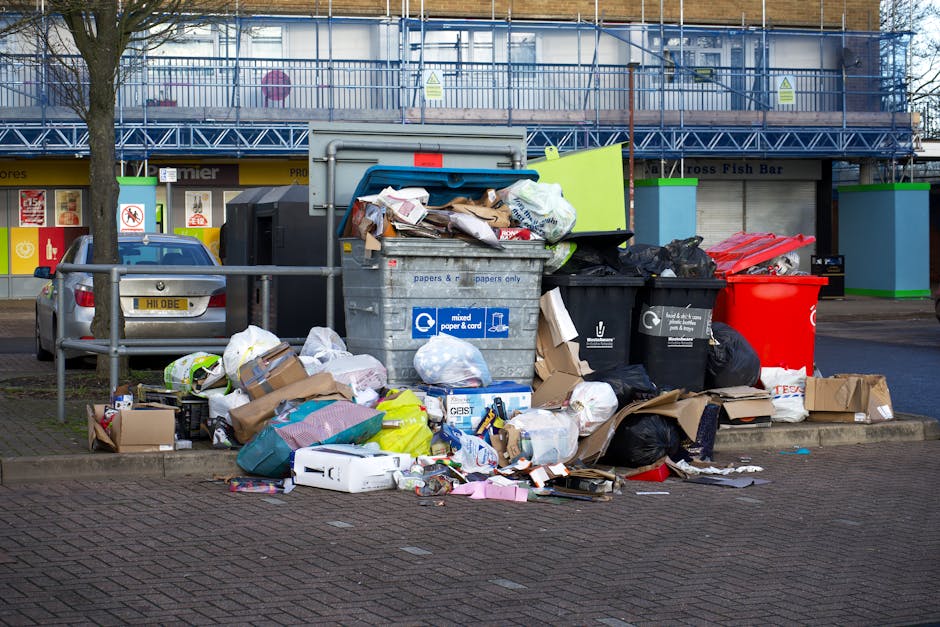
It matters because letting bulky items sit too long can create safety issues, block access, make the frontage look neglected, and attract complaints from neighbours or passers-by. Near a theatre, first impressions count. A messy pile by the pavement can feel out of place very quickly.
There is also the practical side. Heavy items are easy to underestimate. The first lift always looks manageable. Then you realise the sofa will not fit round the stair landing. Or the old filing cabinet weighs more than it should, somehow. That is when a proper clearance plan saves a lot of grief.
How Lyric Hammersmith bulky rubbish removal near the theatre Works
In most cases, bulky rubbish removal follows a simple but disciplined process. A reliable team will look at the type of waste, assess access, estimate labour, and decide whether the load can be removed in one visit or needs a staged collection. Near the Lyric, that access assessment is especially important because the surrounding streets may have tighter parking and shorter stopping windows than a typical suburban road.
Here is the usual flow:
- Identify the waste - separate bulky items, loose rubbish, recyclable materials, and anything that needs special handling.
- Check access - stairs, lift use, loading bay availability, pavement width, and any entry restrictions.
- Request a quote - a clear quote should reflect labour, vehicle size, and disposal route.
- Prepare the site - move items together, keep pathways clear, and isolate anything you are not removing.
- Load and remove - the team lifts, sorts where appropriate, and clears the material safely.
- Final sweep-up - a tidy finish matters, especially if the job is taking place near a public-facing frontage.
For larger or mixed loads, it can help to think of the job as a small project rather than a simple collection. That mindset prevents surprises. It also means you can flag awkward items early, which is always better than discovering them when the team is already on site.
If your waste comes from a refurbishment or building-adjacent job, the clearance plan may overlap with builders' waste disposal in Hammersmith. That is useful where plasterboard, timber, packaging, and old fittings are all mixed together. If it is more of a commercial declutter, office clearance in Hammersmith may be the better fit. And for broad, mixed removals, a general waste removal Hammersmith service is often the simplest option.
Key Benefits and Practical Advantages
There is a reason people pay for proper bulky rubbish removal instead of trying to wrestle with it themselves. Actually, several reasons.
- Less physical strain - no need to drag a heavy cabinet down stairs or risk a strained back because the load seemed "not that bad".
- Faster turnaround - a scheduled team can clear in minutes what might take you an entire afternoon, or longer if access is awkward.
- Better handling of mixed waste - professional collection helps separate reusable, recyclable, and non-recyclable materials where appropriate.
- Cleaner presentation - valuable near a theatre entrance, shopfront, or managed property where appearance matters.
- Reduced disposal stress - you do not need to hire a van, find a loading space, or worry about where everything ends up.
There is a softer benefit too: peace of mind. When a bulky load is sitting in the way, it creates a low-level background stress. You keep noticing it. You keep stepping around it. Once it is gone, the whole place breathes a bit easier. Simple, but real.
For many readers, the biggest gain is not just clearance. It is getting back control of the space. That matters whether you manage a property, run a venue, prepare a flat for sale, or are simply trying to get your life back after a busy week.
Who This Is For and When It Makes Sense
Bulky rubbish removal near the Lyric Hammersmith is useful for a wide mix of people. Some have a single oversized item. Others have a full room of mixed clutter. A few are dealing with event-related waste after a production schedule change or a venue refresh. In our experience, the most common scenarios include:
- Homeowners and tenants clearing sofas, mattresses, old wardrobes, or broken appliances.
- Landlords and letting agents preparing a flat between occupants.
- Business owners removing shop fittings, office furniture, or storage-room overflow.
- Venue and hospitality teams managing old displays, furniture, packaging, or back-of-house clutter.
- Property managers and developers dealing with end-of-project waste or a final tidy before handover.
It makes sense whenever the item is too awkward for standard collection, too heavy for safe DIY lifting, or too urgent to leave to chance. If you are trying to keep access clear for staff, customers, or visitors, that is another strong sign it is time to bring in help.
It also makes sense if you are unsure whether a waste item needs extra care. Some materials are straightforward. Others are a bit more fiddly, and honestly, that is where many people waste time trying to figure it out alone.
Step-by-Step Guidance
Here is a practical way to organise the job without overcomplicating it.
- Walk the space first. Make a quick list of every bulky item. Include things tucked away in corners, behind desks, or in storage rooms. People miss those all the time.
- Separate what stays and what goes. It sounds obvious, but during busy clearances the border between the two can get fuzzy. Put keepers in a different room if you can.
- Measure the awkward pieces. If a sofa has to come through a narrow doorway or down a twisty stairwell, dimensions matter. Guessing is where things go sideways.
- Flag access details early. Mention upper floors, no lift access, timed loading, limited parking, or shared entrances. Near the theatre, that context is invaluable.
- Request a realistic quote. The best quote is not the cheapest headline number; it is the one that reflects the true job.
- Clear a route to the waste. Leave enough room for moving items safely. A small corridor can turn into a big obstacle if the job is rushed.
- Schedule for the quietest practical time. Mid-morning or mid-afternoon can be easier than peak arrival or departure times around performance schedules.
- Do a final sweep. Check for loose screws, packaging fragments, old fixings, and any forgotten items in cupboards or under tables.
A little organisation goes a long way. Truth be told, most of the stress comes from poor preparation rather than the waste itself.
If you want to understand the wider service landscape before booking, it can also help to browse the company's services overview and compare that with specific needs such as rubbish collection in Hammersmith or even house clearance in Hammersmith if the job is bigger than a one-off bulky item pickup.
Expert Tips for Better Results
These are the little things that make a clearance job smoother. Not glamorous, but they save time and money.
- Bundle by type. Keep furniture, loose rubbish, and recyclable cardboard separate where possible. It speeds up loading.
- Keep a clear front path. If the team has to squeeze around items that are not being removed, everything slows down.
- Photograph the load. A few clear pictures help with accurate quoting and reduce awkward surprises on arrival.
- Be honest about access. If a vehicle cannot stop right outside, say so. Nobody enjoys discovering that mid-job.
- Ask about reuse and recycling. Not every item should be treated the same. Some furniture can be redirected for reuse if it is in acceptable condition.
One small but useful habit: label anything that must stay. A strip of tape or a note on the item can prevent accidental removal. It sounds almost too simple, but you would be surprised how often it helps.
For businesses near the Lyric, it is also sensible to think about nearby foot traffic and event timing. A collection booked just before a busy audience arrival can feel chaotic. A calmer window usually means a cleaner, less stressful handover.

Common Mistakes to Avoid
Most bulky waste problems are preventable. The usual mistakes are pretty predictable, which is both annoying and useful.
- Leaving it too late and then needing a rush job at the worst possible time.
- Underestimating access issues such as stairs, tight corners, locked service entrances, or parking limits.
- Mixing everything together so the team has to spend extra time sorting on site.
- Forgetting about hidden items in cupboards, drawers, under counters, or storage boxes.
- Assuming all waste is treated the same when some items require different handling or routing.
- Choosing only on price without checking whether the service actually fits the job.
The biggest one? Booking without being clear about what is included. If a quote sounds vague, ask for specifics. There is nothing fussy about that. It is normal, and it protects everyone.
Near a theatre, there is another mistake worth calling out: ignoring timing. A collection that seems convenient on paper can become a headache if it clashes with performance turnover or deliveries. Sometimes a short delay saves a lot of trouble.
Tools, Resources and Recommendations
You do not need a complicated toolkit for bulky rubbish removal, but a few practical items help the process feel more controlled.
- Measuring tape for doorways, stairwells, and awkward furniture widths.
- Marker tape or labels to separate what stays from what goes.
- Gloves for handling dusty or rough items while you prepare the space.
- Phone camera to document the load and any access constraints before collection.
- Clear bags or boxes for loose parts, screws, or smaller components that belong with the item.
On the decision-making side, a good recommendation is to compare the job against the type of waste you actually have. For garden-related items, for instance, a dedicated garden waste removal Hammersmith option may fit better than a general collection. If the pile is mostly post-renovation material, the dedicated builders' route may be more sensible.
For readers who want a broader, local context on how services are positioned and what they cover, the company's recycling and sustainability page is worth a look, as is the pricing and quotes information if you are planning a budget and want fewer surprises. Small detail, but very helpful.
Law, Compliance, Standards, or Best Practice
For bulky rubbish removal, the main compliance concern is making sure waste is handled responsibly and by a legitimate operator. In the UK, waste has to be moved and disposed of properly, and businesses as well as households should avoid handing material to anyone who cannot clearly explain what happens next.
Best practice usually includes:
- keeping waste described accurately;
- separating recyclable items where practical;
- avoiding obstructing pavements or access points;
- using safe lifting and loading methods;
- making sure the collection route is appropriate for the material involved.
Insurance and safety also matter. If items are being removed from upper floors, from a busy frontage, or from a commercial site with visitors nearby, it is sensible to ask how the team manages risk and whether their process is suitable for the location. That is where a provider's insurance and safety information becomes more than just a box to tick.
For businesses, there is also a reputational side. Proper waste handling, neat loading, and respectful timing are part of good professional conduct. Near the Lyric Hammersmith, where the street scene can be quite visible, that professionalism matters in a very ordinary, everyday way.
If you want to read the company's stated commitments and policies, the available pages on about us, modern slavery statement, terms and conditions, payment and security, privacy policy, cookie policy, and accessibility statement can all help build confidence before you book.
Options, Methods, or Comparison Table
There is no single best way to deal with bulky waste. It depends on volume, urgency, access, and the kind of items involved. Here is a simple comparison to help you choose.
| Option | Best for | Strengths | Trade-offs |
|---|---|---|---|
| Professional bulky rubbish removal | Mixed items, urgent jobs, awkward access | Fast, low effort, tailored to site conditions | Usually costs more than doing it yourself |
| DIY van hire and disposal | Small, manageable loads with easy access | Can suit very low-volume removals | Time-consuming, physically demanding, and easy to misjudge |
| Split disposal over multiple trips | Gradual decluttering on a flexible schedule | Useful if you are not in a rush | Slow and messy if the pile is already affecting the space |
| Specialist service by waste type | Specific loads like garden, office, or builders' waste | More precise handling and better fit for certain materials | Less convenient if your load is varied |
If your pile is mostly office furniture or archive material, a focused office clearance Hammersmith approach may be better than trying to force everything into a general collection. If it is more of a one-off load with a little bit of everything, then the broader route often keeps life simpler. No need to overthink it.
For readers exploring the local area while planning work, there are also a few useful Hammersmith reads that provide context on property and daily life, including the Hammersmith property sales guide, the real estate investment guide, and living in Hammersmith recommendations. They are not about rubbish removal directly, but they do help you understand the area's rhythm.
Case Study or Real-World Example
Picture a small commercial space a short walk from the Lyric. The team has just finished replacing worn seating, a broken storage unit, and a stack of packaging from a back-office refresh. Nothing dramatic. Just enough clutter to get in the way. The space needs to look decent again before the next working day, and the loading space outside is only sensible for a short window.
Instead of breaking the job into multiple uncertain trips, the manager photographs the items, clears a route from the back room to the entrance, and separates the items that should stay. A collection is booked for a quieter mid-morning slot. The removal team arrives, confirms the load, handles the awkward items first, and clears the area in one visit. The whole thing is done without turning the frontage into a half-day mess.
What made it work? Three things: accurate information, good timing, and a realistic plan for access. Nothing fancy. Just decent preparation.
A similar approach works for domestic clearances too. If you are replacing a sofa in a nearby flat, the job becomes far easier when you know whether the item can be dismantled, whether the stairwell is narrow, and whether there is anywhere practical for parking. The difference between smooth and stressful is often tiny. Annoyingly tiny, sometimes.
Practical Checklist
Use this quick checklist before your bulky rubbish removal appointment near the Lyric Hammersmith.
- Have you listed every item that needs removing?
- Have you separated keep items from waste?
- Are access details clear, including stairs, lift use, and parking?
- Have you photographed the waste if a quote is based on pictures?
- Do you know whether the items are general waste, furniture, builders' waste, or office waste?
- Have you cleared a safe route to the collection point?
- Have you checked timing so the collection avoids the busiest local window?
- Have you protected floors or walls if large items need careful movement?
- Have you asked what happens to reusable or recyclable material?
- Do you have confirmation of the price, arrival window, and any special notes?
If you can tick most of those off, you are in good shape. If not, no panic. Just tighten up the weak spots before the team arrives. That little bit of prep pays off.
Get a free quote today and see how much you can save.
Conclusion
Lyric Hammersmith bulky rubbish removal near the theatre is really about three things: access, timing, and trust. Get those right, and the rest tends to fall into place. Whether you are clearing a flat, a back room, an office, or a mixed load after a refresh, the goal is the same: remove the clutter safely, keep the area tidy, and avoid making a busy part of Hammersmith even busier.
The smartest approach is usually the simplest one. Be clear about what needs removing. Be honest about access. Choose the service that fits the job rather than the one that sounds vaguely convenient. And if the waste is awkward, bulky, or time-sensitive, do not leave it sitting around hoping it will somehow sort itself out. It won't, obviously.
Handled well, a clearance job can feel oddly satisfying. One morning it is a mess. By lunchtime, the space is calm again. That is a good feeling, and near the Lyric, a neat frontage goes a long way.

Copyright © . House Clearance Hammersmith. All Rights Reserved.