W6 rubbish clearance guide for Hammersmith Broadway
Posted on 18/06/2026
If you're trying to clear rubbish around Hammersmith Broadway, you already know it can get messy fast. Flat moves, office refreshes, builder debris, old furniture, garden cuttings, and the odd mystery bag left by the bins all pile up in a way that feels bigger than it looked at first. This W6 rubbish clearance guide for Hammersmith Broadway breaks the process down in plain English so you can work out what to remove, how to remove it, and how to do it without turning a simple job into a full weekend headache.
Whether you're a resident, landlord, shop owner, or facilities manager, the basics are the same: sort the waste properly, choose the right clearance method, and keep safety and compliance in mind. You'll also find useful comparisons, a practical checklist, and a realistic example from the sort of jobs people in W6 deal with every day.
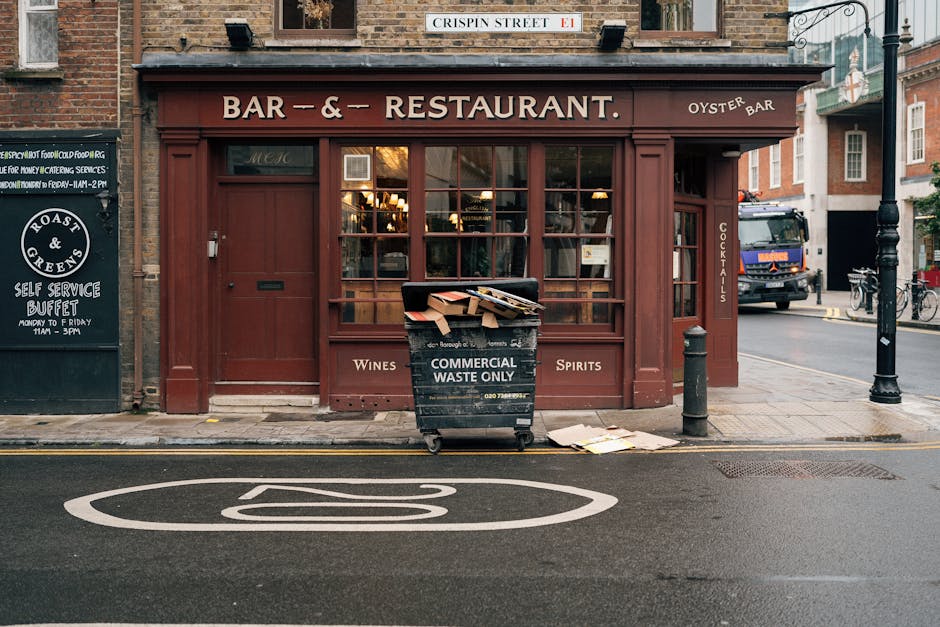
Why W6 rubbish clearance guide for Hammersmith Broadway Matters
Hammersmith Broadway sits in one of those parts of London where movement never really stops. People move in, out, up, down, and across constantly. Shops change hands, offices get refitted, flats are sold, kitchens get ripped out, and broken items seem to appear out of nowhere. That's why a local rubbish clearance guide matters: the way you clear waste in W6 is shaped by access, timing, parking pressure, shared entrances, and the simple fact that you often can't just leave things out and hope for the best.
For homeowners, it's about reclaiming space and avoiding repeated trips to the tip. For landlords and agents, it's about presenting a property properly before letting or sale. For business owners, it's about keeping operations smooth without clutter affecting staff or customers. And for anyone living near a busy transport hub, speed matters. Nobody wants a sofa sitting in the hallway for three days while everyone tries to step around it. Not ideal, to put it mildly.
There's another reason it matters: rubbish clearance is not just about "getting rid of stuff". It's also about separating reusable items, identifying anything that needs special handling, and avoiding penalties or disputes caused by fly-tipping, blocked access, or careless disposal. A bit of planning saves a lot of grief later.
How W6 rubbish clearance guide for Hammersmith Broadway Works
In practice, rubbish clearance in W6 usually follows a fairly simple pattern. You identify the waste, decide what needs to stay and what needs to go, and then choose the right removal method based on volume, item type, access, and urgency.
Most jobs fall into one of a few common categories:
- Household clearance - furniture, white goods, bagged clutter, old toys, mattresses, and general mixed rubbish.
- Office clearance - desks, chairs, filing cabinets, packaging, archive waste, and sometimes electronics.
- Builder's waste - plasterboard, timber, tiles, rubble, offcuts, and renovation debris. If that's your main issue, the builders waste disposal service in Hammersmith is worth looking at as a dedicated route.
- Outdoor or garden waste - branches, soil, turf, hedge cuttings, and broken outdoor items. For that, a focused garden waste removal option in Hammersmith can be more efficient than using a general service.
The collection itself is usually straightforward. A team arrives, loads the waste, separates what can be reused or recycled where possible, and clears the space. The best providers also pay attention to access issues, stairwells, narrow entrances, lift restrictions, and loading times. Around Hammersmith Broadway, that part is not a small detail. It can make or break the job.
If you're comparing different clearance methods, it helps to think less about "what's cheapest?" and more about "what's the cleanest fit for this particular job?". That question saves people more money than they expect.
Key Benefits and Practical Advantages
Good rubbish clearance is one of those services you only fully appreciate once you've used it. The benefits are practical, immediate, and a little bit satisfying, frankly.
- Faster space recovery - A room, hallway, shop floor, or garden becomes usable again quickly.
- Less physical strain - Heavy lifting, awkward corners, and multiple flights of stairs are handled for you.
- Cleaner presentation - Important if you're selling, letting, or welcoming clients.
- Better waste separation - Reusable items, recyclable materials, and general waste can be dealt with more responsibly.
- Reduced risk - Sharp, bulky, or unstable waste is removed with less chance of injury or damage.
- More predictable timing - Especially valuable in a busy area where storage space is limited.
One benefit people sometimes overlook is emotional, not just practical. A cluttered flat or workspace creates noise in your head. Once the waste is gone, the whole place feels lighter. You notice the floor again. The light comes in properly. Small thing, big impact.
If you're trying to show a property at its best, this can matter more than a fresh coat of paint. For that kind of planning, the house clearance service in Hammersmith is often the natural next step when larger domestic items need to go.
Who This Is For and When It Makes Sense
This guide is for anyone dealing with waste that has outgrown the ordinary bin situation. That sounds obvious, but in real life it covers more people than you'd think.
- Residents moving home who need to clear old furniture or accumulated clutter.
- Landlords preparing a flat between tenancies.
- Letting agents and property managers handling end-of-tenancy rubbish.
- Shop and office teams replacing fixtures, clearing stock, or reorganising storage.
- Builders and tradespeople needing prompt disposal after small works or refurbishments.
- People clearing after bereavement or long-term storage, where the job is as much about sensitivity as it is about logistics.
It makes sense to arrange clearance when the waste is:
- too bulky for standard collection,
- too much for a single car load,
- mixed and awkward to sort yourself,
- time-sensitive because of a move or inspection, or
- potentially hazardous or difficult to carry safely.
Truth be told, if you keep looking at a pile and thinking "I'll deal with that next weekend", you probably need a proper plan. That's usually the clue.
Step-by-Step Guidance
A clear process keeps everything calmer. Here's the simplest way to approach rubbish clearance around Hammersmith Broadway.
- Walk through the space slowly. Identify what needs to go, what can be donated or reused, and what should stay.
- Separate waste by type. Mixed waste is manageable, but separating obvious recyclables, wood, metal, and electrical items helps planning.
- Check access. Look at stairs, lifts, parking, loading space, and whether any item needs dismantling.
- Estimate the volume. A few bags is a different job from a full room clearance. Be honest here; people often under-estimate.
- Note any special items. Mattresses, fridges, paint, fluorescent tubes, or other awkward waste may need specific handling.
- Choose the right service type. General rubbish collection, house clearance, office clearance, or builders waste disposal each suits different situations.
- Prepare the items. Bag loose waste, unplug appliances, empty drawers if required, and keep walkways clear.
- Book a sensible time window. In a busy W6 location, timing can be just as important as price.
- Confirm what happens after collection. Ask how items are sorted, recycled, or disposed of, especially if you care about sustainability.
- Do a final sweep. Small items often hide under beds, behind radiators, or in storage cupboards. You know how it goes.
If the job includes mixed domestic waste and smaller items, rubbish collection in Hammersmith can be a practical fit. If the job is more about ongoing site waste or mixed debris, waste removal in Hammersmith may make more sense.
Expert Tips for Better Results
After enough clearances, certain patterns become obvious. The smoother jobs usually share the same habits.
1) Start with the bulky items first. Sofas, wardrobes, old desks, and broken appliances shape the whole job. Once they're removed, the rest suddenly feels easier.
2) Keep a short list of special items. A single item like a fridge, a TV, or builders rubble can change the whole disposal plan.
3) Protect floors and walls on moving day. In tight hallways or stairwells, a small scrape becomes a frustrating repair. A few blankets or simple route planning goes a long way.
4) Be realistic about mixed waste. A clean pile of cardboard is one thing. Cardboard mixed with food waste, broken furniture, and packaging is another. The more mixed it is, the more time and care it needs.
5) Think ahead if you're selling or letting. Pair clearance with staging, cleaning, and any urgent repairs. For property-focused jobs, the Hammersmith property sales guide can help frame the wider moving or sale process, while the Hammersmith real estate investment guide is useful if you're looking at value from an investor's angle.
6) Don't let one awkward item stall the whole job. People often delay clearance because one item is annoying to move. A cupboard full of old cables, for example. Deal with the awkward bit separately if you need to.
And if you're working on a site or refresh in the Broadway area, there's a useful related read here: King Street rubbish removal and skip alternatives. Different street, same general lesson: the best choice depends on access, timing, and what you're actually throwing away.

Common Mistakes to Avoid
Most clearance problems are avoidable. They usually come from rushing, guessing, or assuming waste is simpler than it is.
- Underestimating volume - This is the classic one. A "few bags" somehow becomes a van full.
- Mixing everything together - It can make recycling harder and slow down the clearance.
- Leaving access issues until the day - Parking, lifts, and shared entrances should be checked before collection, not during.
- Ignoring fragile or sharp items - Broken glass, metal edges, and damaged furniture need extra care.
- Forgetting tenant or landlord responsibilities - In rental situations, waste can turn into a dispute if nobody clarifies who is handling it.
- Choosing on price alone - Cheapest is not always cleanest, safest, or most reliable.
- Assuming every provider handles every waste type - Special items sometimes need different treatment.
One small but common problem: people keep hold of things "just in case" and then pay to remove them six months later anyway. We've all done some version of that. It's human.
Tools, Resources and Recommendations
You do not need a van-load of specialist gear for most clearance jobs, but a few simple tools make the process smoother.
- Strong bin bags for loose waste and lightweight items.
- Labels or marker pens for sorting keep, donate, recycle, and remove.
- Gloves for handling dusty, sharp, or dirty materials.
- Furniture sliders or blankets to reduce damage when moving bulky items.
- Measuring tape if you need to check whether an item will fit through a doorway or into a lift.
- Basic screwdriver or Allen key set for dismantling flat-pack furniture and shelving.
Useful service pages on this site can also help you match the job to the right clearance type. If you're dealing with a full flat, look at house clearance in Hammersmith. For workplace moves, office clearance in Hammersmith may be the better route. And if the removal is part of a bigger renovation, the builders waste disposal service is the more relevant match.
For broader service context, the services overview is a sensible place to understand what type of clearance suits which situation. If you're comparing costs or want to plan around budget, the pricing and quotes page can help set expectations.
Law, Compliance, Standards, or Best Practice
Rubbish clearance is practical work, but it sits close to a few important UK best-practice expectations. You don't need to become a waste law expert to manage a small clearance, yet it does help to know the basics.
Duty of care: Waste should be handled responsibly, with a clear understanding of where it goes and how it is processed. In plain English, you should not hand waste to someone who is likely to dump it illegally or mishandle it.
Safe lifting and access: Heavy items should be moved with care, especially down stairs or through tight shared spaces. Good practice means avoiding damage to property and reducing injury risk.
Separation of special items: Certain materials, such as electrical waste or hazardous items, need careful handling. You don't want them mixed in blindly with general rubbish.
Fire safety and obstruction: In shared buildings and commercial settings, waste should not block exits, corridors, or access routes. That sounds obvious, but in busy buildings it can become a real issue quickly.
Documenting the job: For businesses and landlords, it's wise to keep records of what was removed, when, and by whom. Nothing fancy. Just enough to stay organised if questions come up later.
If you are clearing waste from a property or workplace in a way that affects other occupants, be considerate with timing and noise. Hammersmith Broadway is a busy place. Early starts, tight lift access, and delivery traffic can make a small issue feel bigger than it is.
Expert summary: The safest and most efficient rubbish clearance jobs are the ones that are planned like a small project, not treated like a quick throw-it-in-the-van task. A bit of sorting, a bit of access planning, and the right service choice will usually save you time, money, and stress.
Options, Methods, or Comparison Table
If you're not sure which route to take, this comparison table should help. There's no single best method for every job; it depends on size, access, and the type of waste.
| Method | Best for | Advantages | Limitations |
|---|---|---|---|
| Self-clearance | Small amounts of bagged waste or a few items | Flexible, hands-on, sometimes lower direct cost | Time-consuming, lifting required, parking and transport hassle |
| Man-and-van clearance | Mixed household waste, bulky items, quick turnarounds | Fast, convenient, less physical work for you | Can be less suitable for large volumes or specialist waste |
| House clearance | Whole rooms, end-of-tenancy jobs, larger domestic clear-outs | Comprehensive, efficient, good for clutter-heavy properties | May be more than you need for a small job |
| Office clearance | Desks, chairs, files, stock, workplace clear-outs | Works well for commercial spaces and planned moves | Needs better scheduling and access coordination |
| Builders waste disposal | Renovation debris, rubble, offcuts, post-project waste | Matched to construction-type materials | Not ideal for general household clutter |
A simple rule of thumb: if the waste is awkward, heavy, or mixed, a professional clearance route usually wins on convenience. If it is truly minor and easy to carry, self-clearance can be fine. That said, the moment stairs or parking become part of the equation, the maths changes quite a lot.
Case Study or Real-World Example
Here's a realistic example. A couple in W6 were preparing to move out of a two-bedroom flat near Hammersmith Broadway. Over the years they had accumulated a bit of everything: a worn sofa, one broken desk, two mattresses, three bags of mixed clutter, flat-pack packaging, and a small pile of garden trimmings from a balcony planter. Nothing dramatic. Just the usual slow build-up that happens when life gets busy.
The first mistake they nearly made was trying to treat it all as one simple pile. In practice, that would have been awkward. The planter waste needed separate attention, the bulky furniture needed a clear path out, and the packaging could be grouped much more neatly. They walked through the flat, sorted the items, and measured the stairwell turns before collection day. Very sensible, though slightly late in the process.
What changed the outcome was simply planning the clearance around access and item type. Once the route was clear, the job moved quickly. The flat looked better almost instantly, and the couple could hand over the property without that lingering "we've forgotten something" feeling.
That's the real lesson: a decent rubbish clearance is not just removal. It is a small reset. A reset for the room, the schedule, and your headspace.
Practical Checklist
Use this checklist before booking or starting a clearance job in Hammersmith Broadway:
- Identify every item that needs to go.
- Separate keep, donate, recycle, and remove.
- Check whether any item is bulky, sharp, electrical, or otherwise special.
- Measure access routes, stairs, lifts, and doors.
- Confirm parking or loading constraints if relevant.
- Take photos of larger items if you want an accurate quote discussion.
- Clear walkways and make the items easy to reach.
- Decide whether the job is domestic, office, garden, or builders waste.
- Ask how reusable or recyclable materials are handled.
- Keep any records you may need for a landlord, agent, or business file.
If you want a fuller sense of the company behind the service, you can also browse the about us page and review the recycling and sustainability information. For service assurance details, the insurance and safety page is a sensible stop.
Conclusion
A solid W6 rubbish clearance plan for Hammersmith Broadway is really about making a busy part of London work a little more smoothly for you. If you choose the right clearance method, prepare the items properly, and keep an eye on access, the whole process becomes much less stressful than people expect.
The best clearances are rarely the fanciest. They are the ones that are thought through just enough to avoid delays, damage, and wasteful effort. Whether you're clearing a flat, office, garden, or renovation site, the goal is the same: create space, stay safe, and handle the job properly.
Get a free quote today and see how much you can save.
And if you've been putting the job off, that's okay. Start with one corner, one room, one honest bagful. The rest tends to follow.

Copyright © . House Clearance Hammersmith. All Rights Reserved.